
Eluru, Andhra Pradesh, South India. Credits to Mr. Rozario
This case comes from a mid-sized dental hospital in Coastal Andhra, with over five years of practice, trusted clinical outcomes, and stable operations — but freaking flat footfall. Despite having skilled doctors and strong infrastructure, new patient inflow remained low. Daily OPs hovered around 10, with most cases coming through known contacts. The community respected the clinic, but that respect wasn’t converting into visits.
As they put it, “We thought reputation alone would bring people. It didn’t.”
What we realized was simple: in a town where everyone knows someone, real marketing doesn’t happen online first — it happens at home. Brand presence is no longer just digital, It’s deeply personal and local.
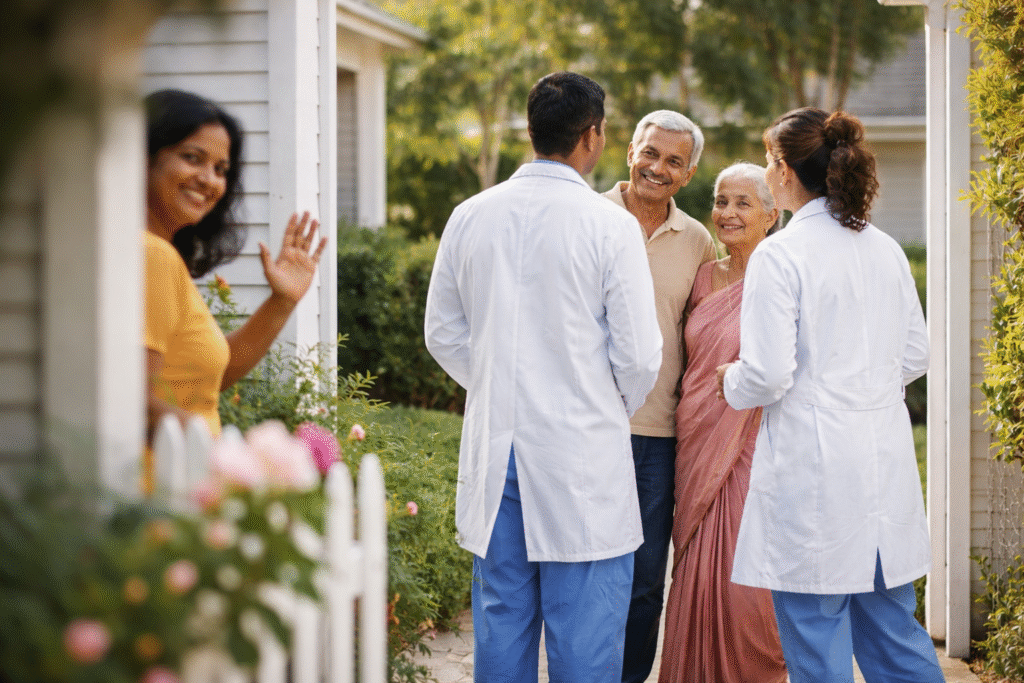
Our shop owner suggests, we take it – kinda mentality. That’s where TABOR’s Home-to-Hospital System comes in — a 3D revenue enhancement approach built on designing systems, recruiting the right people, training them, and most importantly, creating genuine human connection.
Phase One. We started by going back to the patients themselves. Instead of limiting interaction to clinical follow-ups, we visited previously treated patients at their homes — not as a service check, but as a brand visit. We checked on their recovery, listened to their feedback, and naturally extended the conversation into their surroundings.
Phase Two. From their homes to their neighborhoods, we activated trust where it already existed. A simple question — “Do you know someone nearby who might need a dental consult?” — began opening doors. This wasn’t door-to-door marketing; it was relationship-led brand diffusion, happening in the most trusted environment possible.
Phase Three. To sustain this, we brought in and trained a local field representative — not to sell, but to represent the clinic. Their role was rooted in public relations, not pitching. They were trained to handle conversations, objections, and social hesitation with ease, focusing on rapport rather than transactions. We supported this with structured recruitment, documentation, localized area mapping, identity kits, and most importantly, conversation frameworks that felt natural, not commercial.
Phase Four. Alongside this, we built simple but powerful tools to support trust-building. Educational leaflets in the local language addressed common dental concerns. Brochures visually explained procedures in an easy-to-understand way. Small screening camps were conducted in everyday community spaces like temples and kirana stores. We also captured video testimonials from real patients in their own environments, making the message more relatable and credible. Internally, the clinic staff was trained to receive and convert these new kinds of referrals, ensuring continuity of the relationship beyond the first visit.
Phase Five. The results came within 45 days. Daily OPs increased from 10 to 24. Four new localities started actively referring patients. Two implant cases directly came from families we had revisited.
Follow-ups began turning into referrals, and walk-ins increasingly mentioned, “my neighbor told me about you.”
This worked because it wasn’t advertising. We didn’t push messages — we built presence. We showed up, asked, listened, and followed through. What emerged wasn’t just a campaign, but a movement driven by real people, real homes, and real trust.
TABOR’s Home-to-Hospital System is built on a simple belief: your clinic is not a billboard. It’s a trusted brand waiting to be discovered — right where your patients live. We help you reach them, not through noise, but through connection.
Want your brand walking through the right doors?
Mary Monika Tiruchunapally, get me here